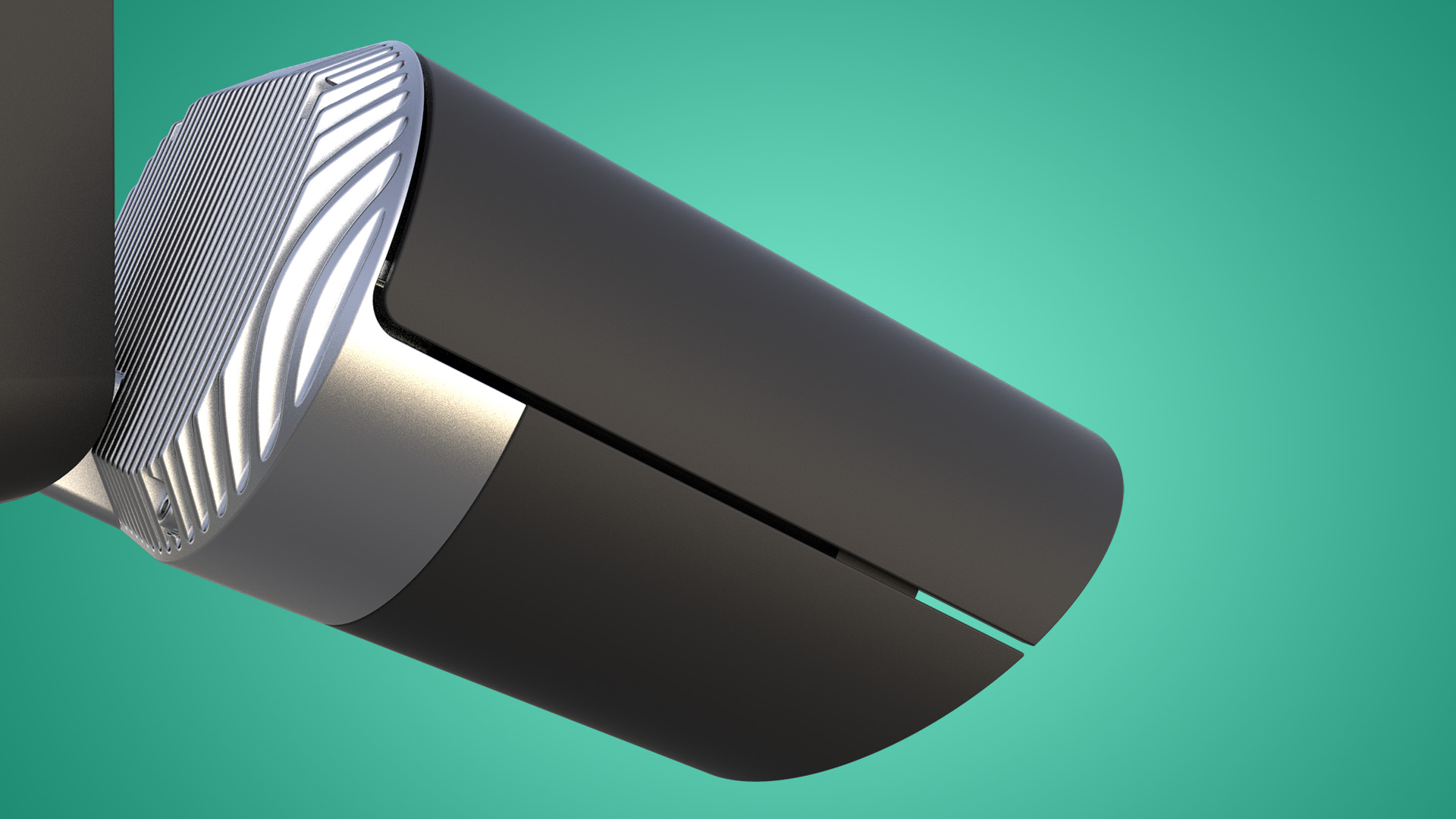
Making your product rain-wind-waterproof?

A camera that must be mounted once in an awkward location and then endure weather and wind to transmit a continuous stream of data. That's another challenge.

Fortunately, we had made version 1 in-house. 
And so we were happy to collaborate on the successor.

Services:
Product designProduct EngineeringProject Management
Macq_1

Traffic safe and on everything.

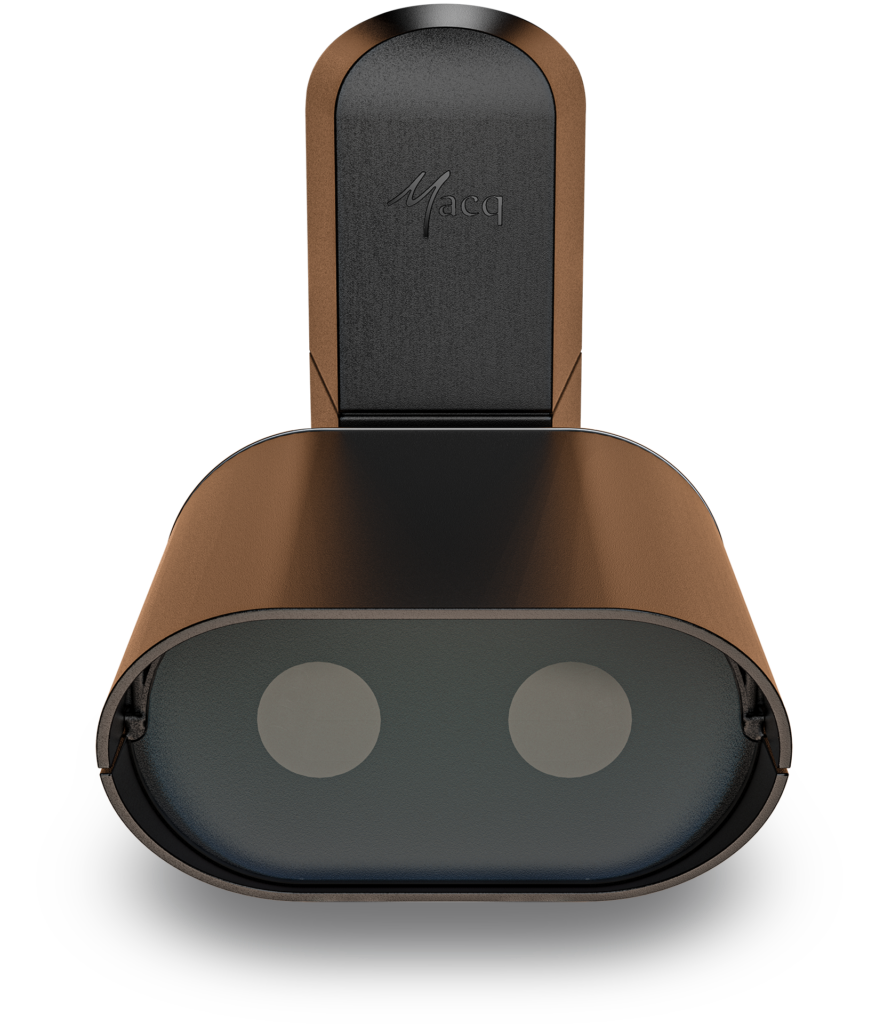
The first version of the MACQ camera has been in use for years and provided valuable insights. For version 2, we started with a thorough analysis: the current design, user experience, installer feedback and a benchmark of new market players.

This camera had to become not only better than the rest, but also better than itself.

Macq -- A look behind the scenes
1 > Looking like family

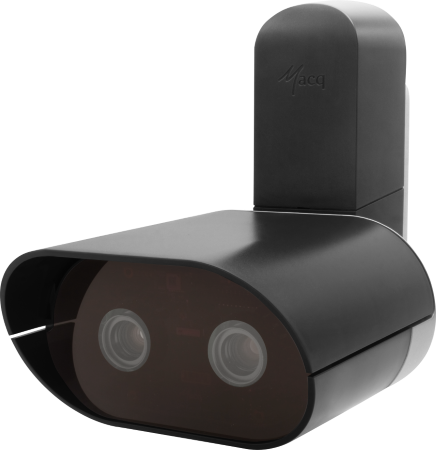
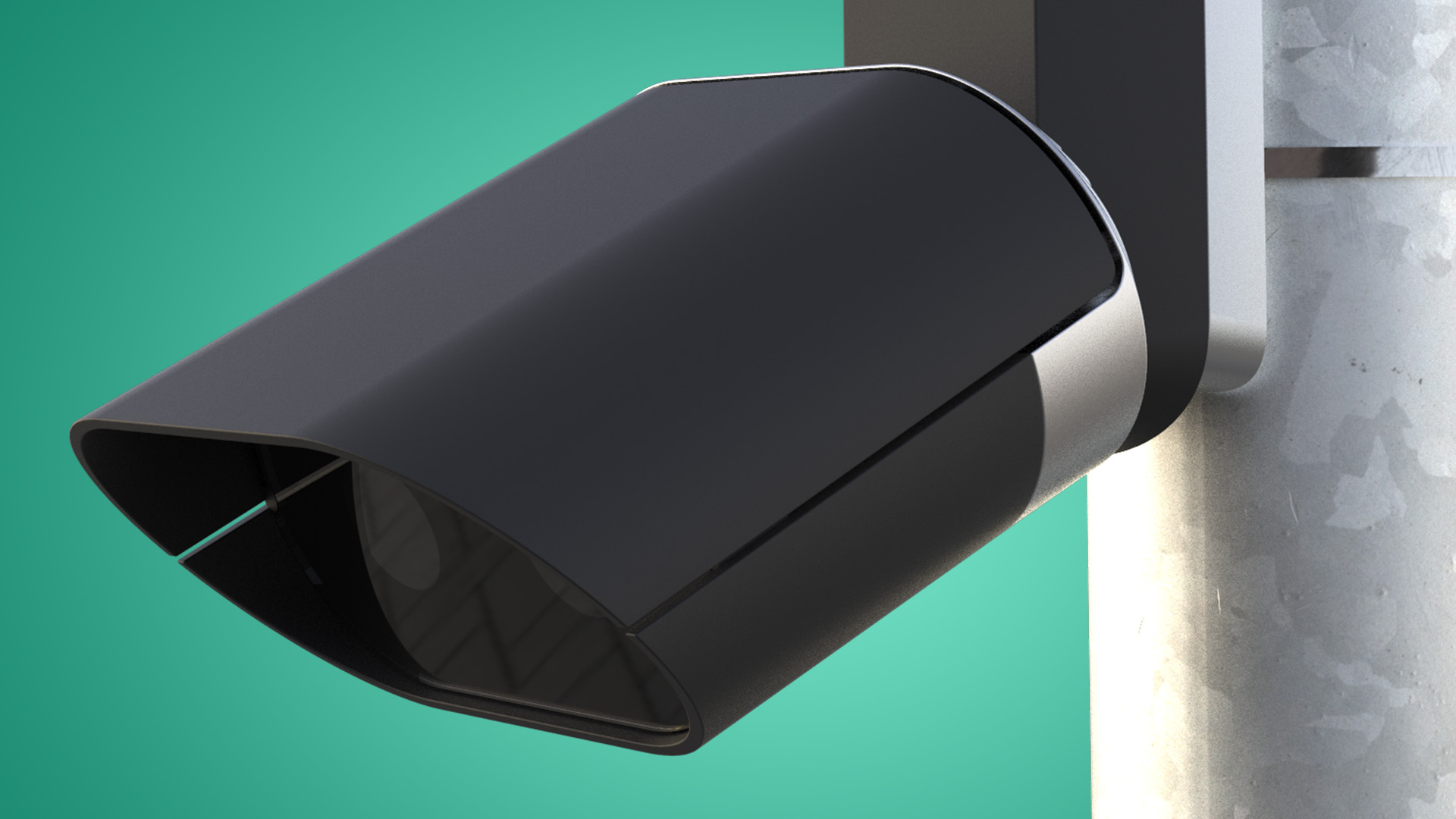
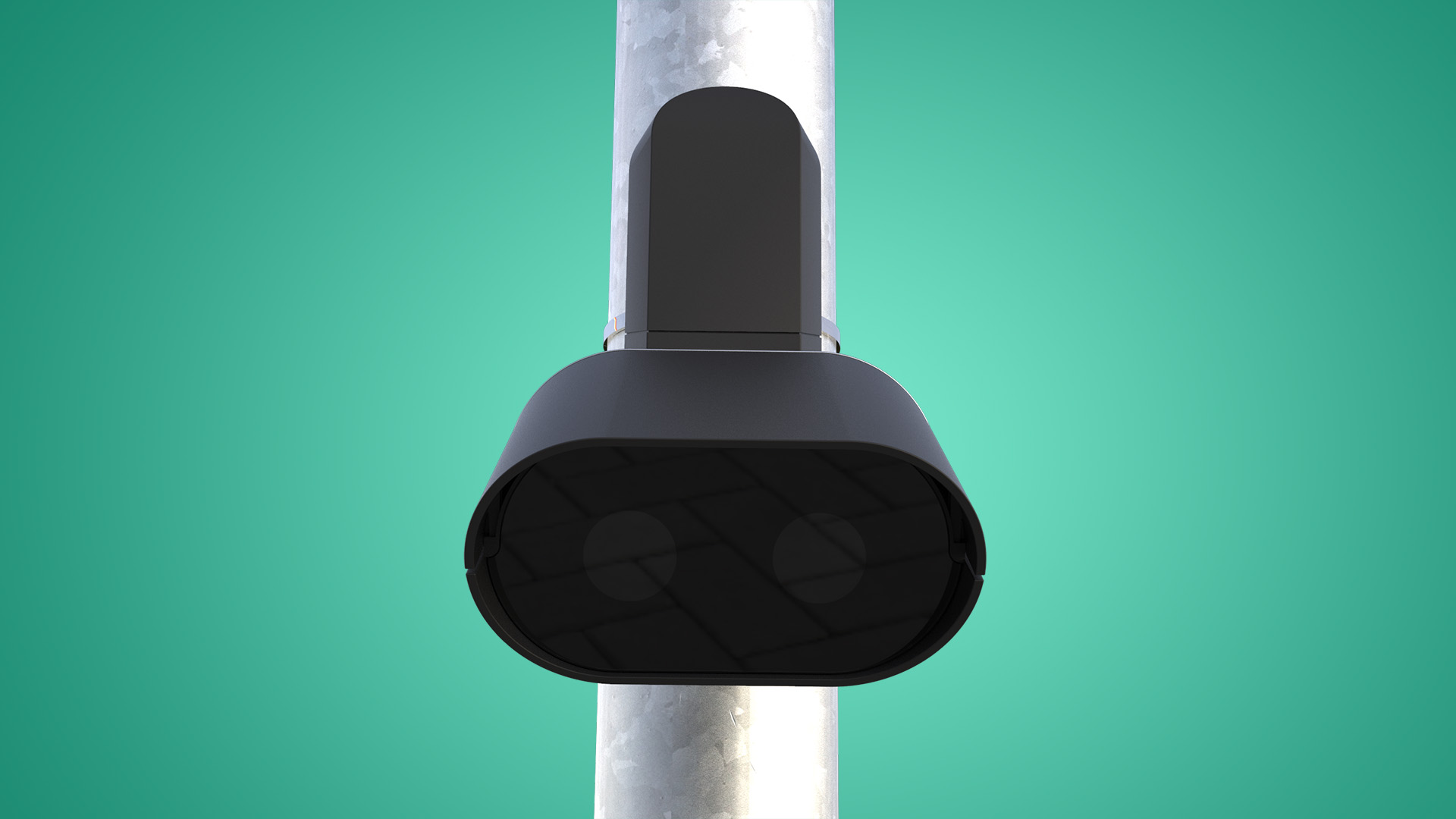
Analysis, analysis, analysis. The better our understanding of the needs, users and market, the better we can respond to them. The request was to stay in the same family in terms of look and feel with the older brother of the MACQ camera, so we took a close look at the current design and dressed it down to its essence.

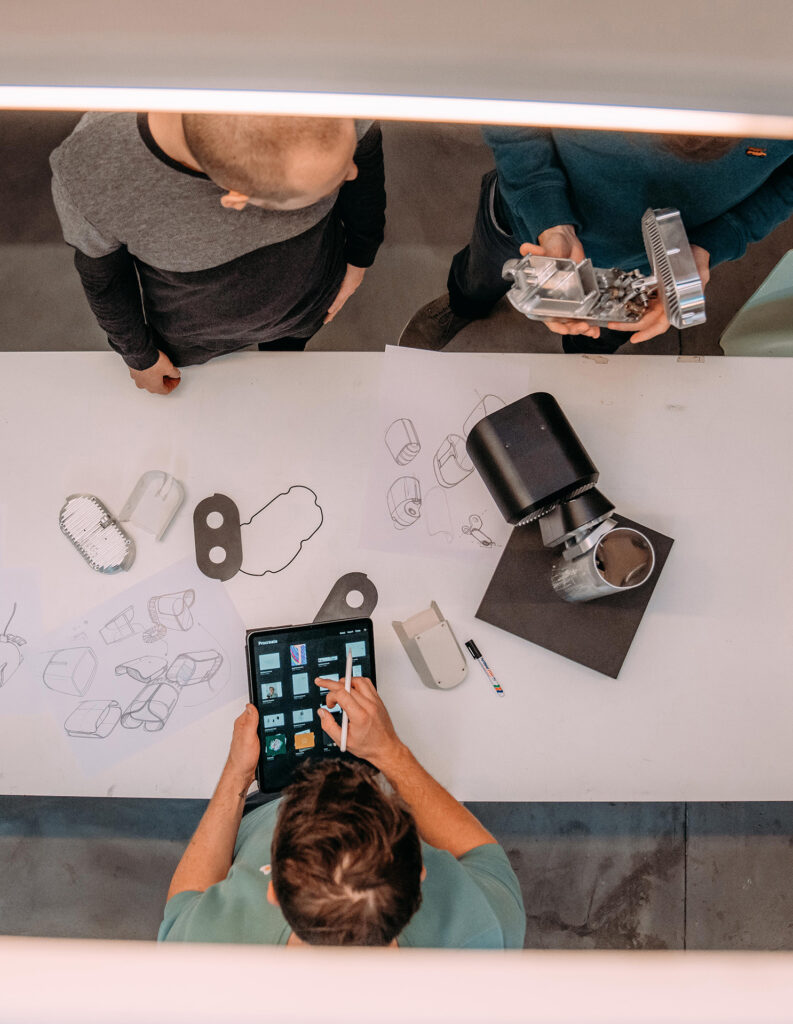
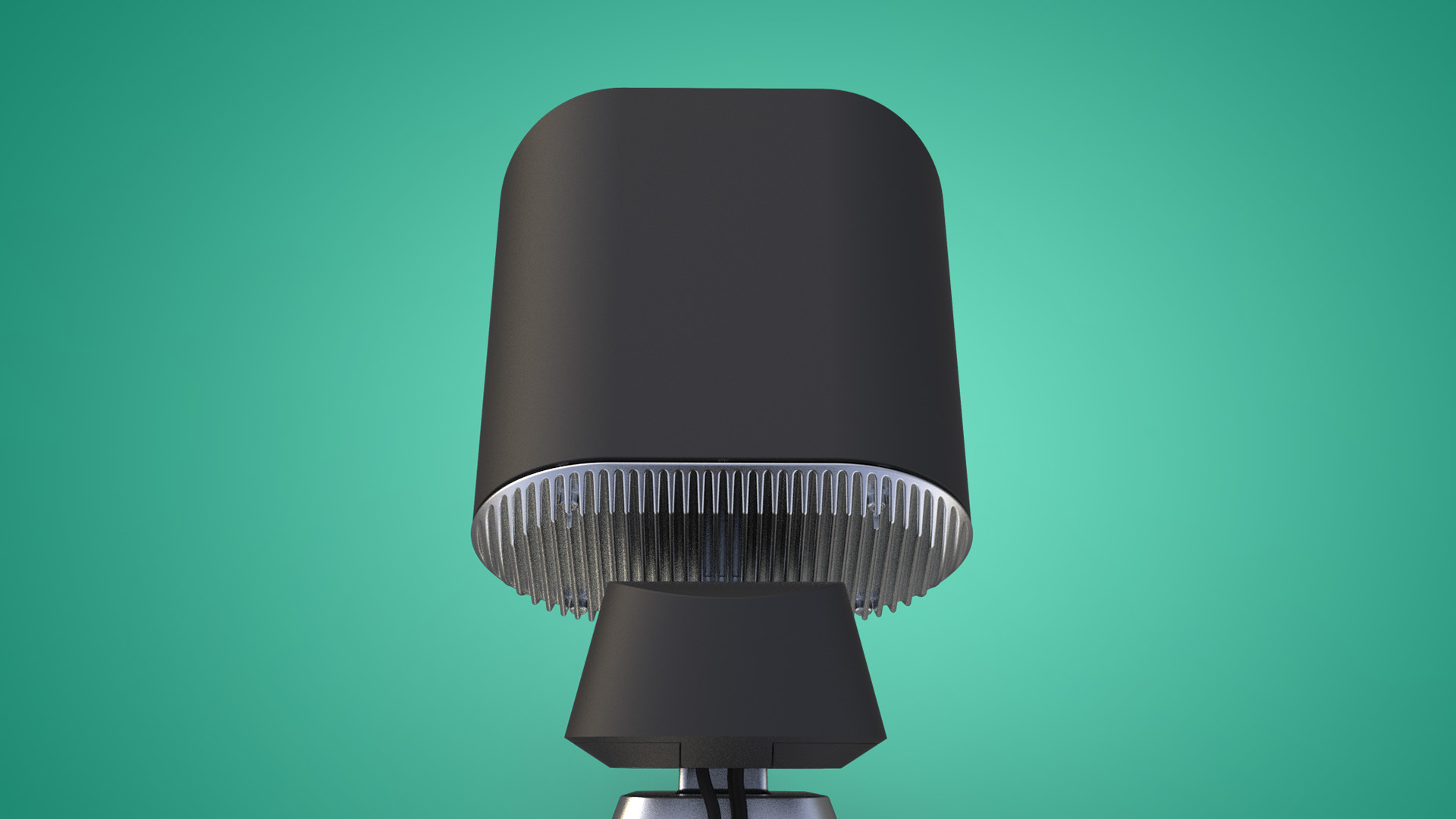
Design and engineering of the new MACQ proceeded simultaneously. The amount of puzzle pieces meant that many and short iteration rounds were needed. This has to do with the conditions in which the camera is placed. Heat requires cooling, rain requires waterproofing, and mounting must be flawless and dummy-proof.

The prototype was a puzzle of technical parts assembled in a smooth manner. Some 3D printed, others mechanically milled or turned . After several rounds of iteration and styling, the necessary back-and-forth and some filing, everything was validated and the BOM could be drawn up.

Great system design, fine mechanics.

Installation versus installer

When you assemble something, it should be tight. That's not surprising. But in this particular case, "firmly" was an understatement.

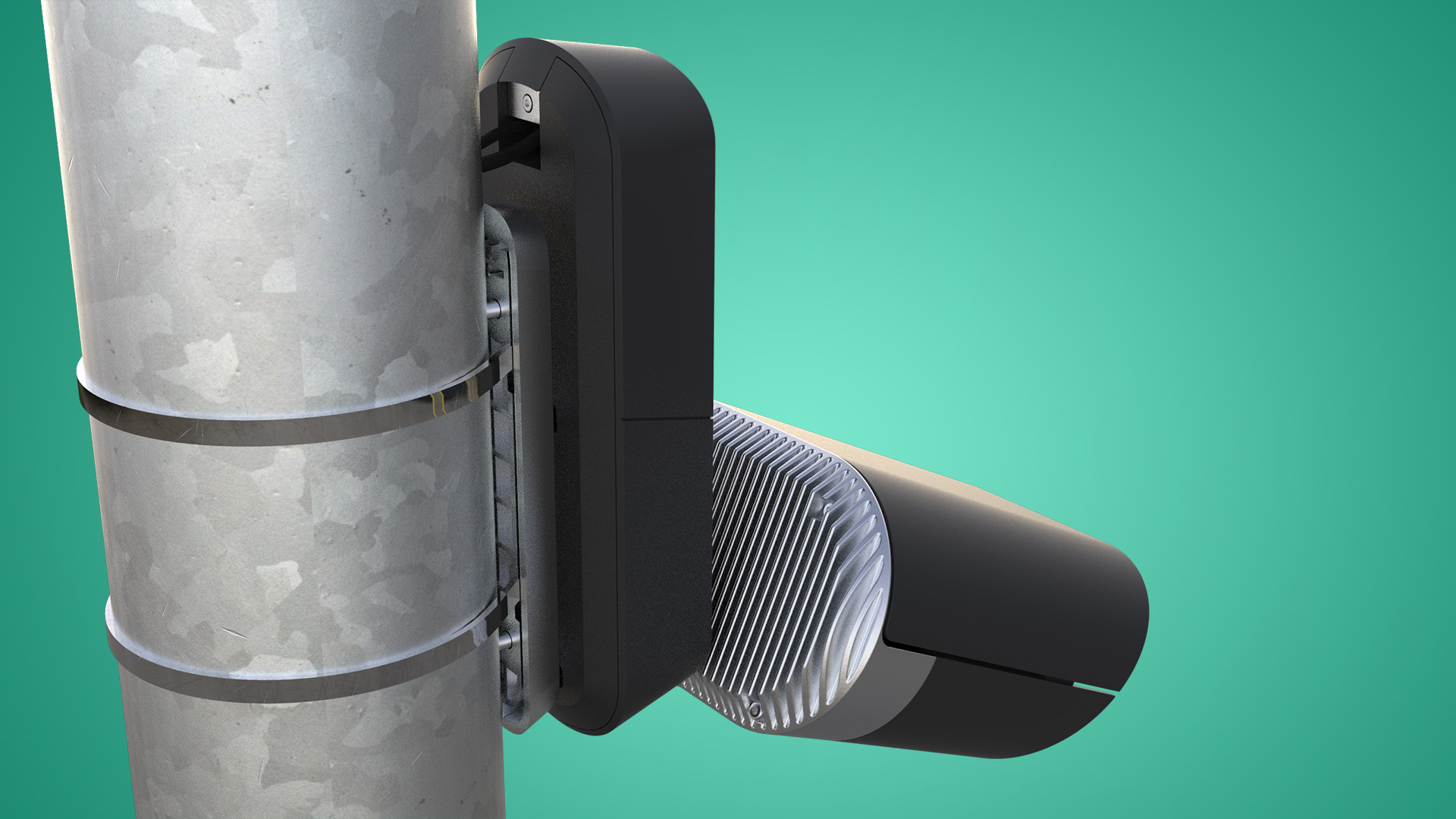
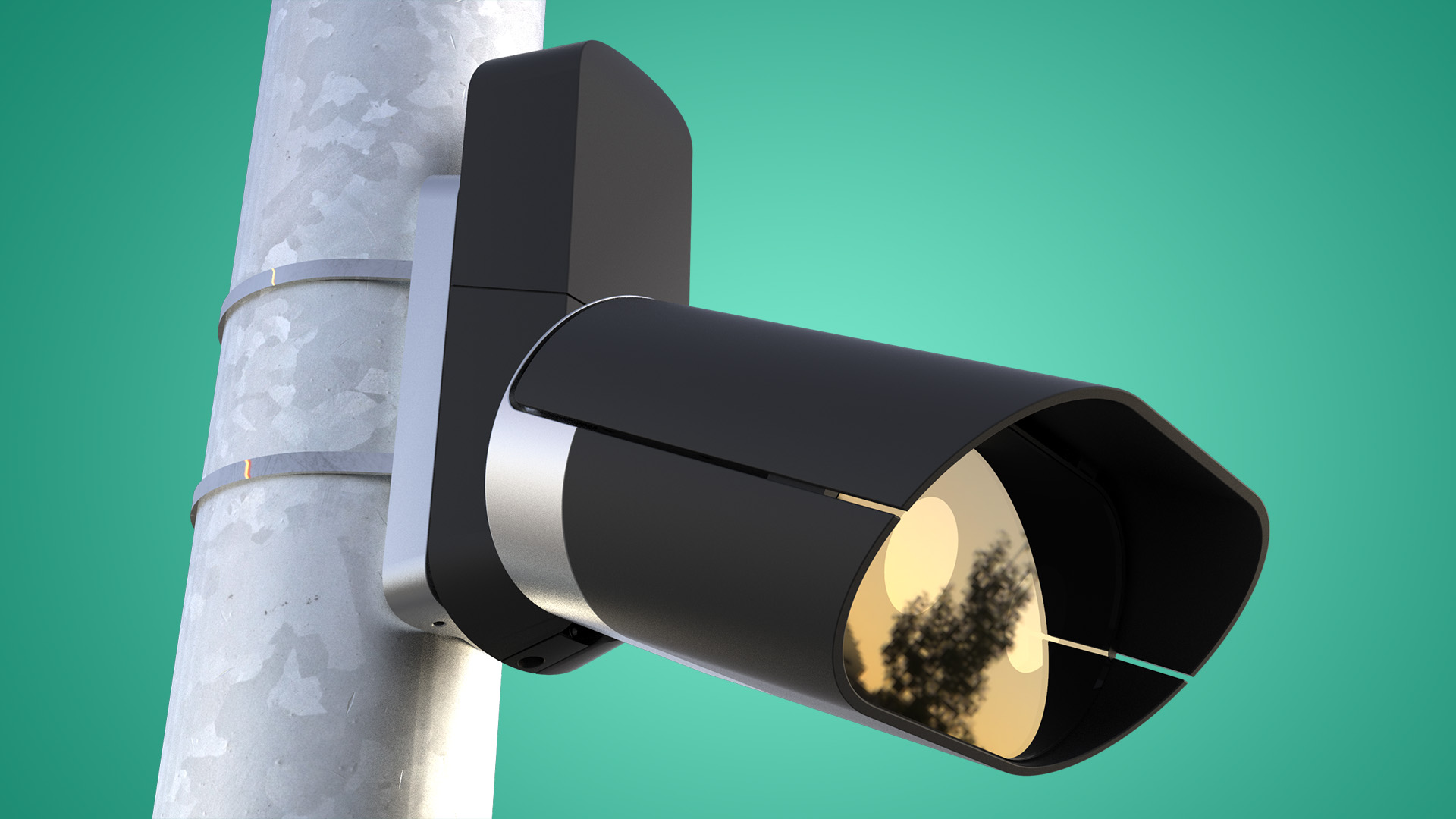
The customer's request was that the cameras be fixed, without breaking in heavy winds. At the same time, the camera had to be easy to install. Sometimes at great heights, dangling above a highway or from a bridge, it should be easy for the person screwing in the screws.

By a self-inhibiting system incorporate, the camera secures itself. A torsion spring ensures that the camera is under tension without jamming it - because what doesn't bend, breaks. The small worm gear motor provides a sturdy solution that won't loosen on its own. A principle that we often find in mechanical engineering but could apply here to a smaller scale. 

Through and through.

Sometimes the solution is so simple you would look over it. It was very complex for installers to check that everything was in order once the camera was hung until now.

 We made crucial parts translucent, allowing the installer to verify the electrical connection one last time before completing the assembly. Simple and smart.

"It's nice to see how a family of products can emerge if we may build on the timeless design language we designed years before."

Bart Moeyaert - senior project manager
logo pilipili
Privacy Overview

This website uses cookies so that we can provide you with the best user experience possible. Cookie information is stored in your browser and performs functions such as recognising you when you return to our website and helping our team to understand which sections of the website you find most interesting and useful.